
Why It Is Important For Musicians To Change And Expand Their Instrumental Skills
Together with the performer, music — a language — is created. To be attached to one instrument is to deprive oneself of the potential for discovery of new sounds, methods, and expression. For the musician, broadening the musical arsenal — not just a matter of study — it is a necessity for the development of sensitivity of the music and creativity. In practice this means skill transfer; modular drills; progress tracking; cross-training; seamless expansion supported by practice continuity and a smooth transition between instruments — download the music learning app today to keep momentum.
The main points in support of studying and learning instrumental techniques being worthwhile, let’s consider:
- Timbres diversity. Each own timbres set and possibilities any instrument has, diversified musical hearing.
- The development of motor skills and coordination. The study of different instruments engages brain neuroplasticity and raises ability.
- The development of musical vocabulary. New instruments — new methods, new rhythms, and new styles, enriching the expressive potential of the musician.
- Interest and motivation building. Instrument change avoids creative stagnation and triggers creativity.
- Professional flexibility. Being able to play several instruments — an important competitive asset.
Chief Problems In Learning A New Instrument
An interest one way or another and sometimes cumbersome, learning a new instrument is. Chief problems, with which musicians are faced, arise in the course:
| Difficulty | Description | Why It Occurs |
| Physical limitations | Lack of familiar motor skills and coordination | Acquired motor skills and playing technique |
| Psychological barrier | Fear of error, loss of confidence | Inexperience and one instrument habit |
| Misunderstanding musical role | Inability to adjust to new harmonic and rhythmic roles | Instrument characteristics difference |
| Logistical issues | Instrument access and materials needed | Novelty and investment requirements |
| Lack of systematic approach | Fragmentary learning, poor development plan | Chaotic practice habit |
Systematicity, patience, and guidance at each stage of learning overcoming all these hurdles entailing. To effective musical horizons expansion, recognition of these challenges — the initial step it is.
How Talented Redefines The Way Of Learning Music
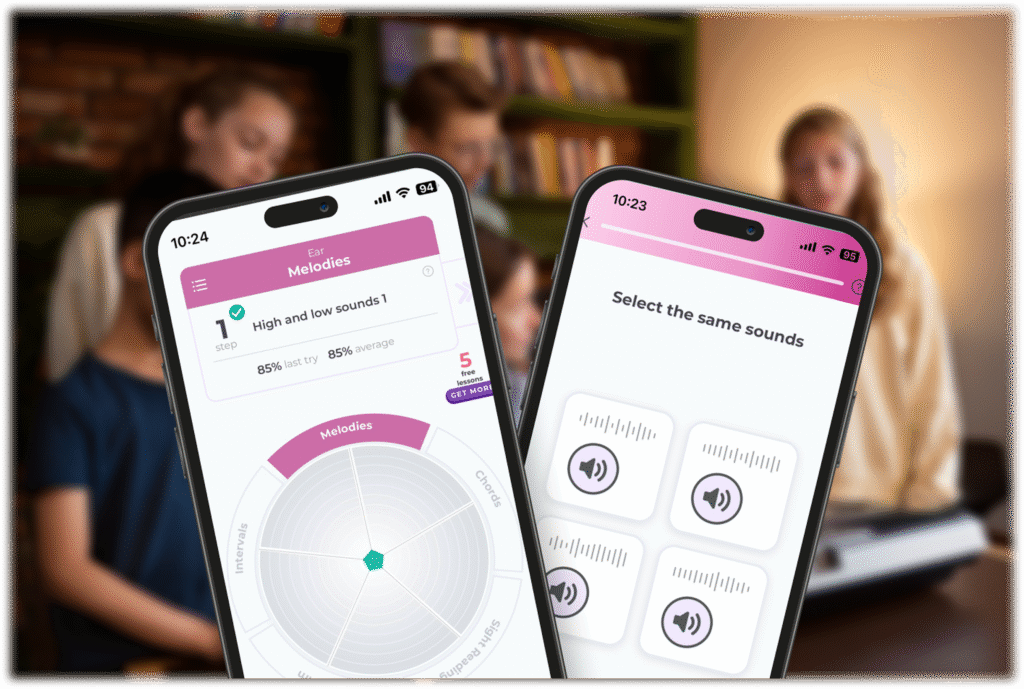
When the traditional pedagogical method is too traditional and boring, a new, innovative way of learning to play an instrument — there is Talented. Both in learning materials — the site provides an environment in which learning turns adaptive, interactive, and most responsive to individual musician’s requirements.
Among classic methods, emphasize the advantages of Talented:
- Individualized learning. Depending on the level of skills that the user has at the time, algorithms provide exercises fully tailored to the user. That is — no repeated lessons, only what actually builds up.
- Many-instrumental nature. Creating no hindrance when switching from one instrument to another here: offering a few directions, the site makes quick switching between them possible without demotivation.
- Interactive and immediate feedback. Not dry theory — real practice, with each sound you make being critiqued and suggestions given for rapid improvement.
- Accessibility and convenience. Anywhere, any time, learning is at hand through the mobile app or web version, perfect for busy musicians.
- Interactive gamification. Presented in the form of enjoyable challenges are the exercises, and progress tracked on clear and nice-looking scales.
Radically reframing the term “learning music” this new and contemporary way does into a thrilling adventure of exploration of a new instrument, rather than a mundane process. (Supports cross-training with structured drills and a progression ladder for progress tracking.)
Talented’s Interactive Methods For Learning A New Instrument In A Hurry
Typically founded on passive listening or rote repetition are typical techniques, rapid material uptake being negatively impacted by them, most especially when instrument change is concerned. Interactive techniques competent tools, whose outcome is to create optimum immersion effect and active user engagement.
Supporting musicians to change effectively, below are the most significant techniques and tools:
- Sensory feedback. To provide real-time assessment of play quality, sensors and microphone are employed by the platform, signaling errors and giving correctional instructions. In order to substitute a teacher in real time, such immediate feedback is.
- Sound imitation models. Leveraging realistic sound libraries and effects allows to hear exactly how the instrument should sound, for presence and immersion effect.
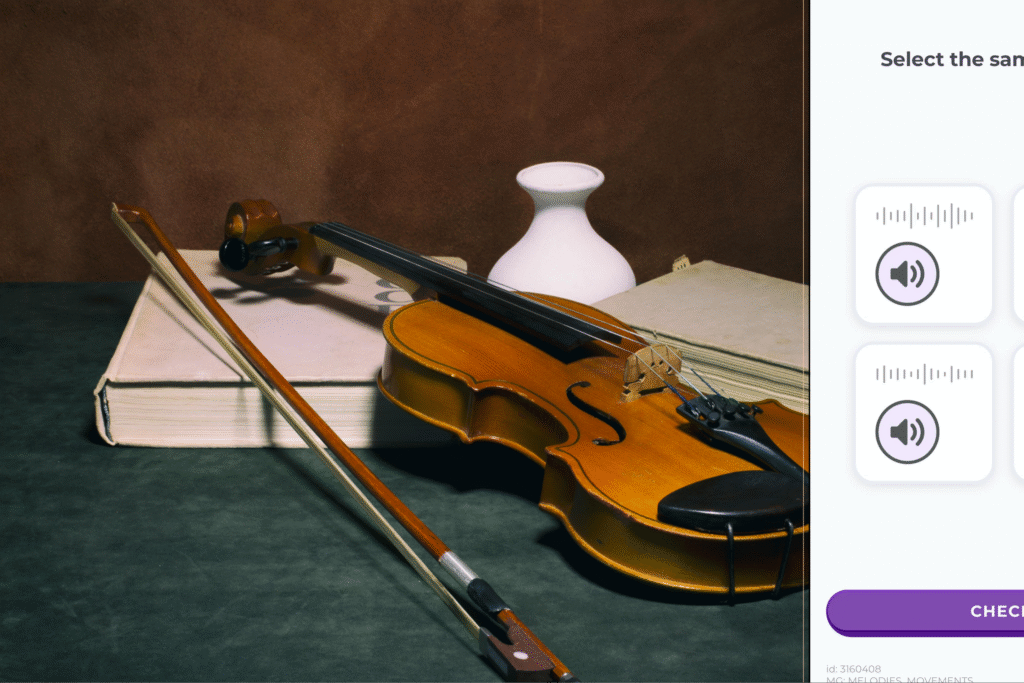
- Interactive exercises. In addition to assignments are video lessons, answers needed, feedback note-playing, melodies popular analysis — all with considerable acceleration of adaptation.
- Dynamic lesson planning. Redistribution of workload to the rate of learning, the platform avoids overload and burnout.
- Progress visualization. Helping the visualization of individual development are charts, levels, and achievements, enabling further progress.
Innovative barriers to beginners — doubt, boredom, fear of making a mistake — are circumvented with these tools Talented. Assurance of ability and willingness to learn a new instrument results. (Adds transferable exercises, drilling modules, and skill mapping to enable seamless expansion.)
Community Support And Shared Growth
In the music world, where bettering one-self turns into a struggle most of the time, the Talented community is a rescuer for anyone who steps out of their comfort zones.
Not only playing is mastered here — but inspiring, pushing, and a spirit of giving assistance to each other gets hammered out.
What makes the community role of Talented so critical, then? The key points give us food for thought:
- Assistance at every step
Whether the newcomer or the experienced guru — all newcomers to a new instrument experience periods of uncertainty and instability. Support groups and Talented forums are a place where advice and emotional response can be obtained. - Sharing experience and life hacks
Members provide sincere tips that have been tested in practice — how to learn guitar chords fast or enhance breathing for wind instruments. - Motivation through common goals
Daily tasks, shared classes, and “week’s progress” pages foster consistent progress, with other people’s success serving as an impetus. - Peer and professional feedback
Mentors and professional musicians assist the starters in correcting errors from the initial stage, drastically accelerating the learning process. - Friendship and professional connections
Communication leads to collaborative projects, concerts, and even new bands.
(Community structures reinforce modular drills and practice modules, sustaining progress tracking.)
Practical Tips For Systematic Development
Development of musical abilities, regular and systematic — difficult it is, especially new instrument you’re attempting to learn. Certain we are, as creators of the application: success secret is proper approach and regularity. Getting the best out of the capabilities of the platform, the following tips are useful:
- Define goals and deadlines
Plan your practice, clearly understanding what you’d like to achieve and when. Great goals break down into smaller ones: from simple chords to playing full pieces — success in the app sign. - Practice often but shortly
Ideally daily for 20–30 minutes instead of rare but long ones. Motivation it keeps and new skills earlier helps to integrate. Reminders easy to set up in the app, so practice won’t be forgotten. - Use interactive lessons and exercises
More fun than video lessons and simulators inserted are, but content reinforcement with practice tools. Do not be afraid to repeat difficult sections several times — mastery this provides. - Emphasize successes and analyze mistakes
Your routine practice statistics review. What exercises easy are and what the platform counts challenges — learning emphasis in this shifts. - Take part in the community
Share experience, ask for advice, participate in contests and challenges. Less lonely and much more interesting the learning process is because of mutual support. - Don’t forget to rest and track your emotions
Overload and exhaustion progress can completely stop. Listen to yourself, make breaks in the app when a switch you need to feel.
Learning made a fun process by these tips — not merely acquiring knowledge but gradually developing into a master on a new instrument you are. Continuing work on the app we are, guiding you every step of the way. Your goal — our top motivating task is. (Adaptive routines and skill scaffolding maintain practice continuity for seamless expansion.)
Real Success Stories — Musicians Who Opened Their Horizons With Talented
No self-improvement is possible without inspiration, and nothing inspires as much as real life examples. From musicians who, overcoming fears and doubts, mastered new instruments and firmly expanded their musical horizons, Talented has gathered many stories.
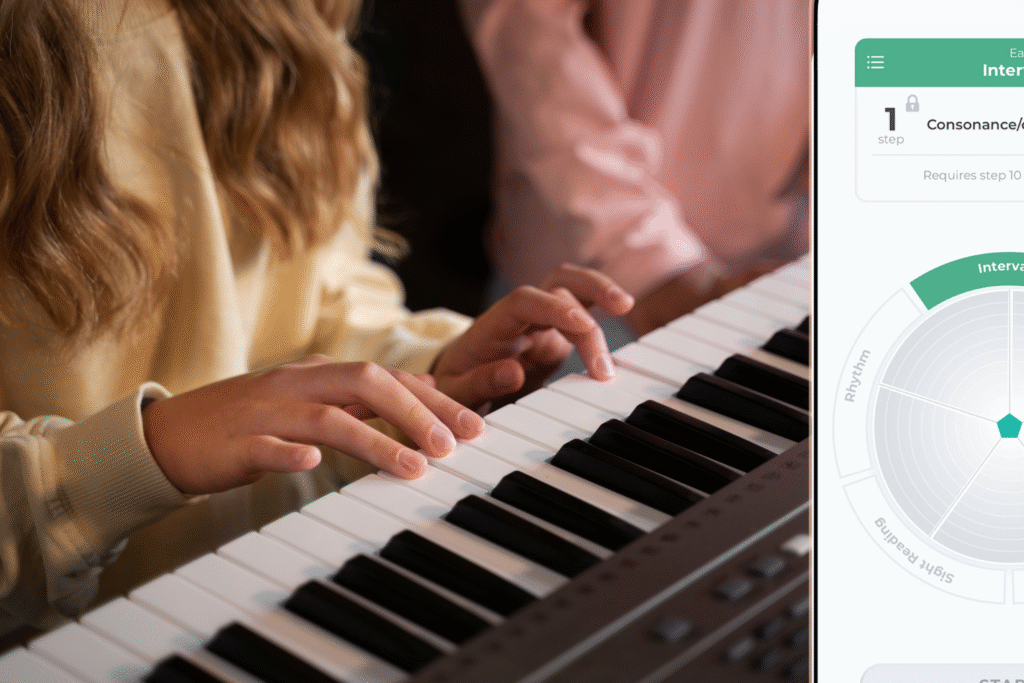
- With a lifelong love for playing the piano and being a five-year professional guitarist, Maria not only became proficient in the basics with Talented’s interactive lessons and one-on-one instruction, but also wrote her own music.
- Being an experienced drummer in a band for many years, Ivan used Talented’s presence of like-minded people and receiving useful tips from the community to greatly enhance his learning process.
- Anna, a singer who will play the drums in the future, says that discipline and acquaintance with the systematic way of learning to play new instruments emerged from using the platform.
Dipped into the experiences of these artists is Talented’s prime concern — pathways to personal growth and instruction on all levels.
Conclusion — Future Of Developing Musical Talents With Talented
To replace an instrument is to open new canvases and introduce new shades into musical imagination. A worthy fellow traveler on this way is only Talented.
To complete working with a musician, the strongest advantages of the site are:
- Individual approach considering somebody’s level and goals.
- Interactive tools accelerating the process of getting used to a new instrument.
- A army of professionals and amateurs at each step.
Not skill but confidence and motivation to attempt something new in an innovative way are attained going over the first threshold. Not conventional lessons but a general experience where learning is embedded in the process of living is what Talented delivers.
Beyond discovering a new instrument, the aspiration is to be able to comprehend music more broadly, to live one’s potential more fully, and move forward with courage and passion. Simpler, more enjoyable, and with the camaraderie of loved ones bringing new horizons — this path with Talented is.
(Final note: the platform’s cross-compatibility and cross-training flow enable skill transfer through structured drills and a clear progression ladder, all measured with progress tracking for seamless expansion.)